
Expert Guidance
Study In Europe
Your premier gateway to exceptional learning and international opportunities. Delivering excellence across Europe, Trans Globe offers comprehensive support to meet all your study and immigration requirements.
Study in Europe
Discovering Academic Prestige in Europe
Europe ranks among the globe’s most favored educational destinations, providing globally respected qualifications, rigorous academic standards, and a highly diverse environment. It boasts numerous prestigious universities offering first-rate learning at competitive tuition rates. Renowned metropolitan centers—such as Paris, Barcelona, Milan, Amsterdam, Madrid, and Vienna—provide students with an exceptional standard of living, reliable transport, quality healthcare, and safe communities. Furthermore, students benefit from a rich cultural landscape, secure student-friendly cities, and the unique ability to travel freely across multiple Schengen nations during their studies. Combined with post-study stay-back pathways and highly respected credentials, Europe represents a premium choice for launching a successful global career.

4,000+
Universities & Institutions
Bologna Process
Accredited & Standardized Degrees
1–2 Years
Post Study Work Permit
700,000+
International Students Annually
Why Europe
Perks of Studying in Europe
Choosing France, Spain, Italy, or Austria grants international students access to highly ranked, cost-effective education alongside deep cultural experiences. These countries feature a growing selection of English-medium courses, affordable living standards, and seamless travel networks across the Schengen zone. Graduation from these nations equips you with a powerful global network and clear pathways to post-study work permissions.
Cost-Effective Studies & Maintenance
Compared to major English-speaking destinations, Europe offers highly competitive living costs and tuition rates. Public universities provide subsidized education, with tuition fees starting from €750 to €1,500 per academic year.
Academic Tradition & Institutional Excellence
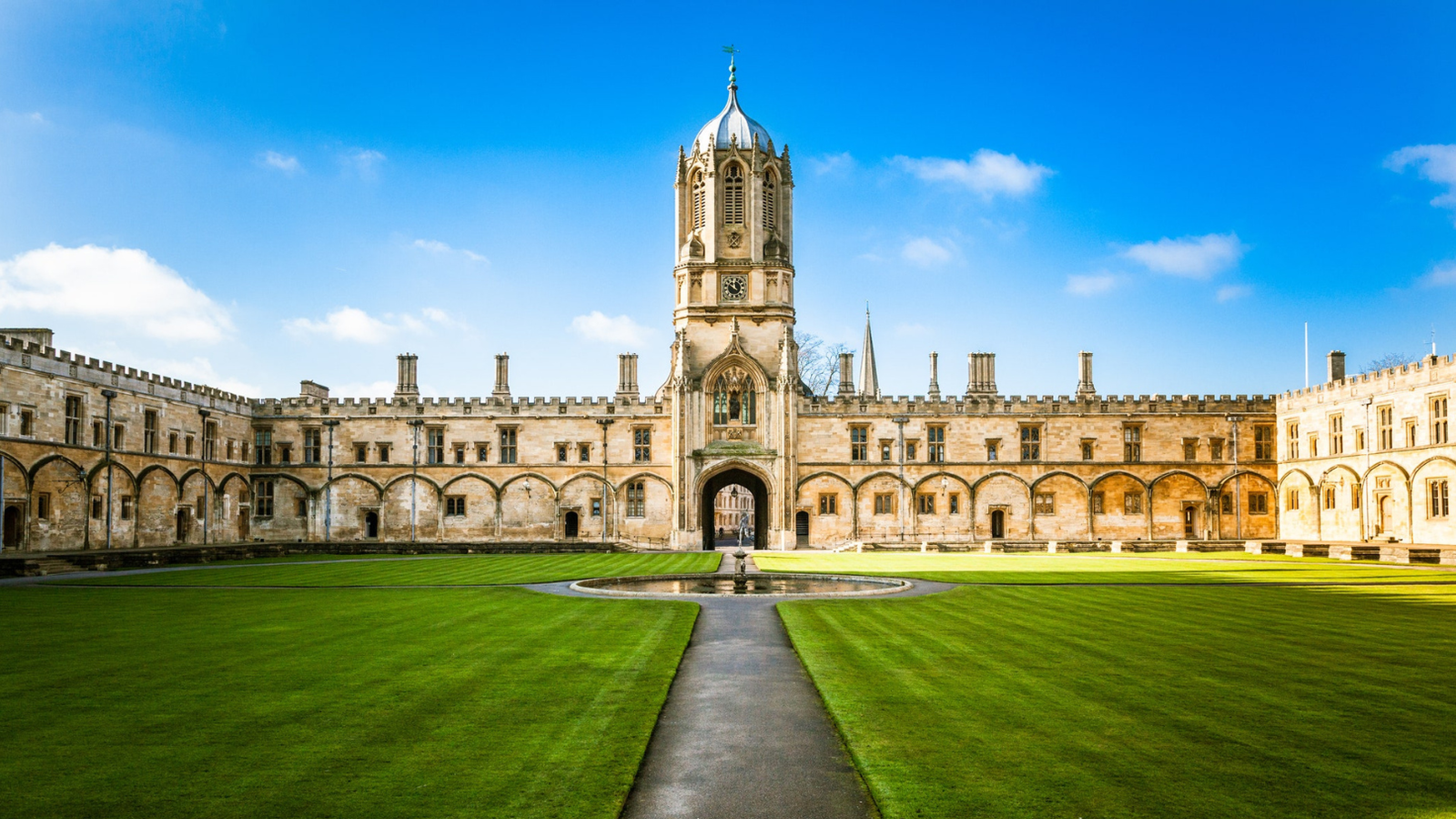
Europe houses some of the oldest and most respected universities in the world, ensuring students obtain a top-tier education matching international standards.
France
Prestigious centers like Sorbonne University in Paris consistently lead research breakthroughs in the sciences and humanities.
Italy
The historic University of Bologna stands as the world's oldest operating university, pioneering higher education since 1088.
Spain
Renowned universities like the University of Salamanca have pioneered advancements in law, literature, and philosophical theory.
Austria
The illustrious University of Vienna stands as a major research powerhouse, globally famous for its scientific and economic achievements.
High Standard of Living & Historic Culture
Students enjoy a balanced lifestyle, high standard of living, and rich historical resources. World heritage sites, historic museums, and classical art are easily accessible from every university campus.
Bilingual Options & English-Medium Curricula
European institutions offer outstanding flexibility, allowing students to study in English or learn regional languages. Thousands of English-medium bachelor's and master's degrees are available to international applicants.
Bologna Process Compliance & Global Recognition
European degrees strictly comply with the Bologna Process, ensuring international credit transferability and legal recognition by employers and universities worldwide.
Extensive Discipline Selection
A vast array of programs is available, including Business Management, Design and Fashion, Tourism and Hospitality, Fine Arts, and Engineering.
France (Specialization)
Distinguished for its elite Grandes Écoles, luxury brand management, and aerospace engineering.
Italy (Specialization)
Renowned globally for fashion design, historic architecture, and automotive engineering.
Spain (Specialization)
An international hub for top-ranked business schools and renewable energy technologies.
Austria (Specialization)
Renowned for world-class classical music academies and leading-edge robotics research.
The Journey
Entire Process: Study in Europe
A structured pathway guiding you from your initial profile evaluation to arriving in Europe, with full support from Trans Globe.
STEP 01
Free counselling
Profile assessment and country, course, intake, and budget mapping with a Trans Globe specialist.
STEP 02
Shortlist & apply
Finalize colleges/universities and programs, prepare documents, and submit applications with application fee support where available.
STEP 03
Take your Tests
Pass the IELTS or TOEFL if your course is taught in English and pass a language test (like DELF for French or DELE for Spanish) if your course is not in English.
STEP 04
Offer Letter & Admission
Receive your Letter of Acceptance (LOA) from the institution and complete any outstanding admission requirements.
STEP 05
Get your documents ready
Get your school certificates and transcripts translated into the official language of the country. Get an official government stamp (called an Apostille) on your documents to prove they are real. Ask the embassy to give you a paper that says your home degree is equal to a European degree.
STEP 06
Apply for your student visa
Set up a meeting at the embassy or visa application center in your home country. Bring your acceptance letter, passport, flight ticket, and proof of housing, health insurance, and bank statements.
STEP 07
Fly to Europe
Travel, accommodation, and arrival support to help you settle in smoothly.
STEP 08
Arrive and Register locally
Your visa only gets you into the country. Once you arrive, you must apply for a local stay permit. Set up a local Euro bank account to pay your bills and receive money.
Admission Requirements
High School Marksheets & Passing Certificates
Diploma Marksheets and Certificates (if applicable)
Bachelor’s Degree & Graduation Records (for postgraduates)
College Leaving Certificate
Certified Academic Transcripts
English Language Test Results (IELTS or TOEFL scores)
Valid Passport or Government ID
Professional CV / Resume
Statement of Purpose / Motivation Letter
Academic or Professional Recommendation Letters (LORs)
Portfolio Collection (for design, fashion, or architecture applicants)
Proof of Financial Stability
Declaration of Value / CIMEA Statement (for Italy, etc.)
Admission Process
Course Shortlisting
Identify universities and study paths matching your profile, budget, and location preferences in Europe.
Document Organization
Compile and verify academic records, language results, resume, and motivation letters.
Application Dispatch
Submit applications via Trans Globe to receive expert support and application fee waivers where available.
Institutional Review
The university evaluates your dossier, which may include mock trials, portfolio reviews, or interviews.
Acceptance & Confirmation
Receive your Letter of Acceptance (LOA) and pay the required tuition deposit to secure enrollment.
Student Visa
(Study Permit)
To study in Europe, international students must fulfill the following key requirements:
Official Acceptance Letter
Must be an unconditional offer from an approved, accredited European university. It must clearly state your full course details, duration, and language of instruction.
Proof of Sufficient Financial Means
The student must prove that they have at least 600-800 euros for every month of their stay. Accepted proofs include personal bank statements, sponsorship letters, or scholarship awards.
Valid International Health Insurance
Must offer minimum medical coverage of 30,000 euros valid across the entire Schengen Area. It must cover emergency treatments, hospitalization, and return costs.
Proof of Accommodation
A formal document showing exactly where you will live during your first few months. Accepted proofs include a university dorm contract, a rental agreement, or a host invite.
PLAN YOUR BUDGET
Financial Planning
Smart financial planning sets the foundation for your academic success in Europe. By choosing France, Spain, Italy, or Austria, you benefit from world-class education systems that offer affordable tuition fees, countless programs in English, and strong career pathways after graduation. Creating a clear budget helps you fully enjoy a secure, enriching lifestyle across these premier cultural destinations.
Annual Tuition Fees
Public Universities - €1,500–€8,000 per year Private Universities - €6,000–€40,000+ per year
Living / Accommodation
France & Austria: €1,000 – €1,600 | Italy & Spain: €700 – €1,100
per month, average
Airfare
€800 – €1,800
estimated ticket fares vary by season and departure hub
Student Visa Fees
Italy: €50–€116 | France: €50–€100 | Spain: €60–€80 | Austria: €150–€195
FUTURE READY
Careers and Work Opportunities
High-demand fields where European graduates build strong, future-focused careers.
France: Aerospace, Engineering & IT
France: Business Administration, Finance & Logistics
France: Fashion & Luxury Brand Management
Italy: Industrial Design, Fashion & Architecture
Italy: Engineering, Manufacturing & Logistics
Italy: Tourism, Culinary Arts & Hospitality
Spain: Information Technology & E-Commerce
Spain: Hospitality, Tourism & Gastronomy
Spain: Engineering, Automotive & Finance
Austria: High-End Hospitality & Hotel Management
Austria: Sustainable Design & Architecture
Austria: Industrial Design & Robotics
WHEN TO APPLY
Intakes in Europe
European universities offer two primary intake cycles annually. Applying early improves your chances of securing admissions and visas.
September/October
Primary INTAKEFall Intake (The main cycle offering maximum course selections across all universities).
February/March
Limited IntakeSpring Intake (Secondary cycle with good course options in select institutions).
WORK opportunities
Employment opportunities in Europe
Launch a successful, future-proof career in one of the world's most stable and culturally rich economic zones. European graduates from France, Spain, and Italy benefit from robust job markets with an increasing demand for skilled talent in artificial intelligence, engineering, and international luxury hospitality. Once you complete your state-recognized degree, you can claim a local Post-Study Work Permit to secure a full-time role. This career experience opens fast-track settlement options, allowing you to transition your student status into a permanent EU Blue Card work visa.
During Study
Up to 20-30 hours/week
During Vacation
Full-time
Min. Study For PSW
1 Academic Year (9-12 Months)
Level Of Study
Bachelor's & Master's
Work & stay Back
Insights on the Post-Study Work Visa
Many European countries offer excellent stay-back options for international graduates. This enables them to seek employment or start a business relative to their field of study. Upon securing a contract matching national criteria, the visa can be transitioned into a long-term residency or work permit.
Post-Study Stay-Back Permits in Europe
- 1. France: Master's graduates can apply for a 1-year temporary residence permit (RECE) to search for work or start a business.
- 2. Italy: Graduates of PhD or Master's programs qualify for a 12-month job search permit (Permesso di Soggiorno per ricerca lavoro).
- 3. Spain: Graduates can claim a 12-month job-seeking residence permit (Residencia para búsqueda de empleo).
- 4. Austria: University graduates are eligible for a 12-month search visa to find employment under the Red-White-Red Card scheme.
Common Queries
Frequently Asked Questions (FAQ)
Explore the World's
Best Destinations
From the USA to Germany, from Australia to Dubai, top universities across the world are waiting for Indian students. The question is not whether you can go. The question is where you will thrive.

















Need guidance?
Let us help you.
Our expert counselors are ready to help you navigate your journey to studying abroad. Take the first step today.